
Chapter 01
Good stories cost too much to tell.
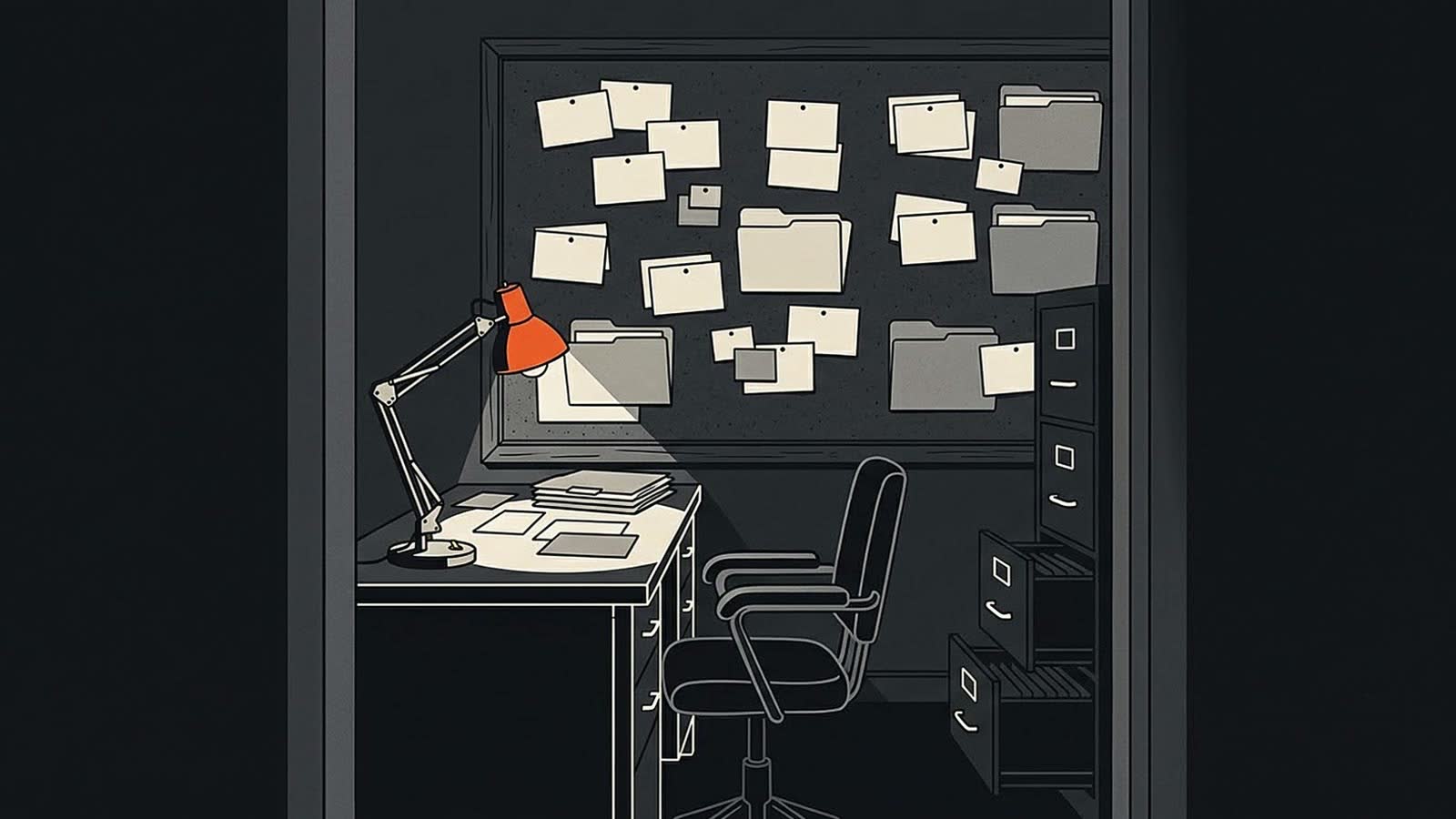
A well-made documentary is a small army of work. Someone has to find the story, read the court records and the old newspapers, decide what is true and what is rumour. Someone writes the script and rewrites it until every minute earns its place. Someone designs the look, draws the characters and keeps them consistent across hundreds of shots. Then come narration, music, sound design, editing, subtitles, thumbnails, titles and the long checklist before anything goes live.
For a traditional team this takes weeks and a budget most storytellers will never have. So most stories are never told, or they are told badly: a slideshow of stock footage, a narrator reading a summary, no sources, no craft.
Generative AI promised to fix the cost, and in a narrow sense it did. Anyone can now produce an image, a voice or a clip in seconds. But speed created a second problem. Platforms filled up with content that is fast, cheap and careless: invented facts, borrowed music, characters that change face from one shot to the next, videos nobody checked before they were published.
We saw two ways to fail: too expensive to make, or too careless to trust. PrimeTek was started to do neither.
Chapter 02
A studio built as a system.
PrimeTek Group was founded in 2026 in Vietnam by Phong Nguyen. The idea was simple to say and hard to build: instead of one person typing prompts into one tool, build an entire production studio out of specialised AI agents, organised the way a real studio is organised, with the same rules a serious newsroom or film crew would follow.
Today that studio has more than seventy agent roles. They are grouped into departments, each with its own manager: story and research, characters and world, visuals and motion, voice and sound, editing, quality control, publishing and localisation. Every agent has a written brief that says exactly what it reads, what it produces and what it is not allowed to touch.
Above the departments sits a producer agent. Its job is coordination: it knows which step an episode is on, hands work to the right department and stops when something is wrong. It does not write, draw or edit, and by design it cannot approve its own work. Approval is a separate job, done by someone else.
PrimeTek Lab is the first unit of the Group: the studio that runs this system and turns research into finished, ready-to-publish films.
Chapter 03
How an episode is made.
Every episode moves through the same ordered steps. A step cannot start until the files it depends on exist, and if someone changes one sentence of the script, the system knows exactly which later steps must be redone.
Research
The story department gathers primary and secondary sources and writes a research file. Claims that cannot be traced to a source do not move forward.
Packaging
Before a single shot exists, publishing drafts the promise of the video: title options and the thumbnail idea. If the packaging is weak, the episode is reworked here, when changes are cheap. Gate 1
Story
The script is written as a beat sheet: one row per beat, with its line, its pacing and the shots it needs. It is the single source of truth for everything downstream, and it ships with a fact-check table that links each claim to its evidence.
Voice and sound
Narration is recorded from the locked script, timed against the script so that pictures and subtitles line up. Music and effects come only from a catalogue with tracked licences.
Characters and world
The cast and locations are designed once and locked, so the same person looks like the same person in every shot.
Storyboard
Every shot is storyboarded and reviewed one by one, pass or revise, before any paid generation begins. Gate 2
Visuals, video and motion
Images and motion are produced shot by shot. Video models running on our own GPU come first; paid cloud generation is used only for what remains, under a credit budget set for each episode.
Archive and effects
Archive images, data graphics and stock effects pass a rights check before they can be used. Gate 3
Editing
The editing department assembles the cut, mixes the sound and builds subtitles from the script, synced to the narration.
Quality control
An independent QC department, separate from production, reviews picture, sound and facts and ranks problems by how much they would cost viewer attention.
Localisation
Titles, descriptions and subtitles are translated for other markets, then translated back by a different model to catch errors.
Final approval
The finished package is approved by the channel owner, in person, on a dedicated approval step that no agent is allowed to press. Only the exact package that was approved can be uploaded. Gate 4
Learning
Forty-eight hours and seven days after release, the numbers are reviewed and the lessons are written down for the next episode. Any change to the process that comes from those lessons still needs the owner's approval.

Chapter 04
What we refuse to do.
Speed is easy. Trust is the hard part, so we wrote down the rules first and built the system to enforce them.
We do not invent facts.
Every factual claim in a script is tied to evidence, and sources are shown on screen. If we cannot source it, we cut it.
We do not mark our own homework.
Work is checked by tools first and then by a reviewer from a different AI provider than the one that made it. The coordinator can never approve a gate.
We do not publish without a person.
Nothing goes public until a human has approved the final package. That rule is built into the system, not left to good intentions.
We do not borrow sound.
Music and effects come from a licensed catalogue, and every track's licence is recorded.
We do not hide the AI.
We label AI-generated content the way platforms require. Viewers deserve to know how a film was made.
We do not overspend.
Each episode has a hard credit budget. Local models run first, and paid generation stops at the cap.
Chapter 05
The proof: Fuse & Fallout.
Fuse & Fallout is our first channel: illustrated investigative documentaries in English for a global audience. Its tagline is the shape of every episode: the spark, the blast, the fallout.
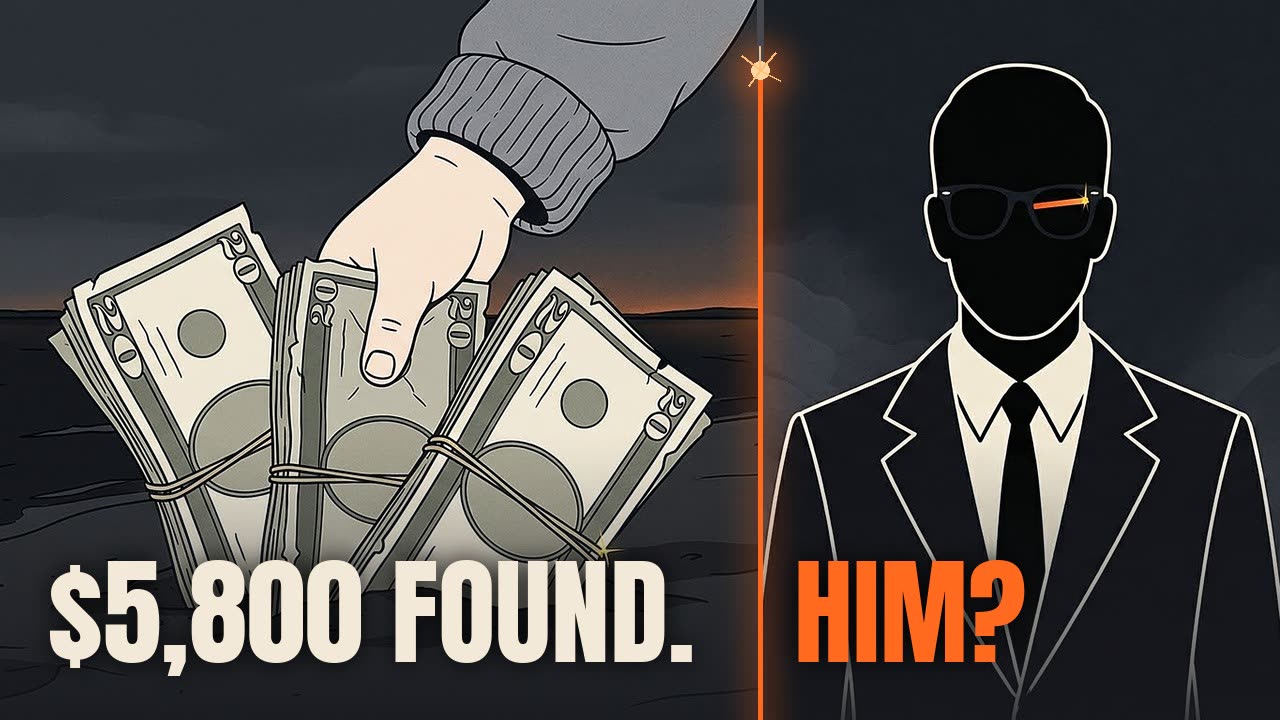
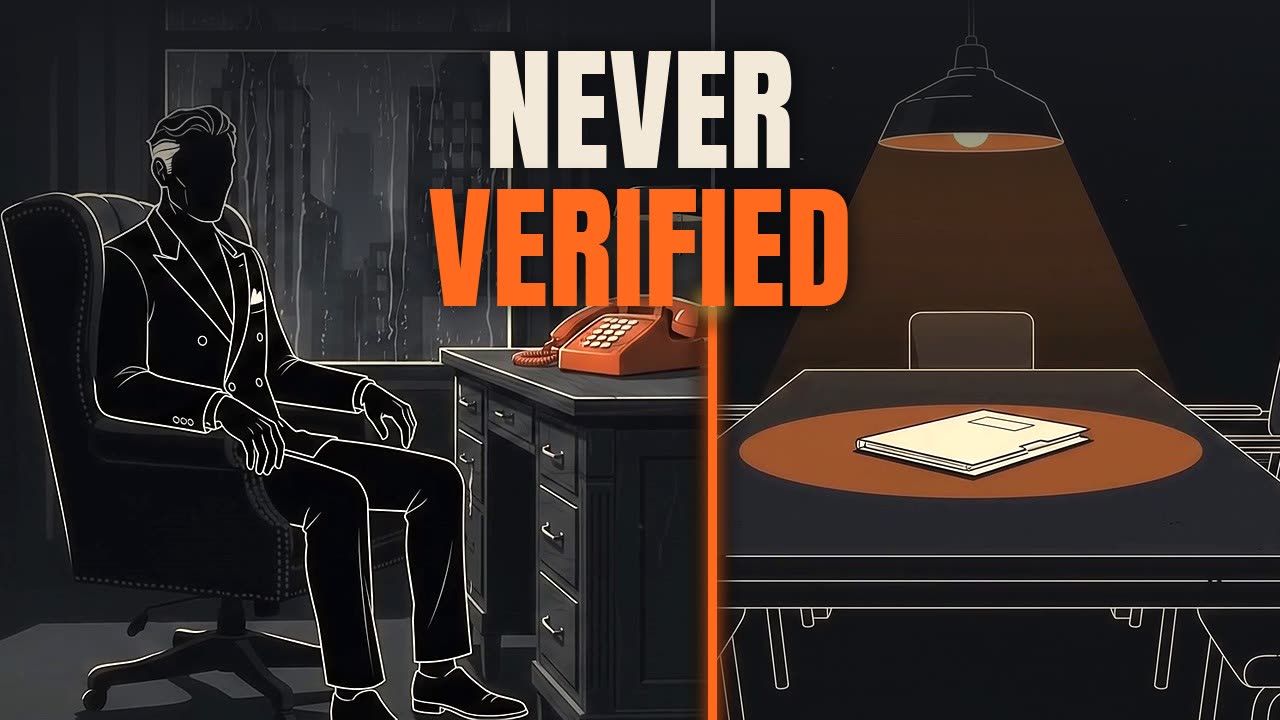
Episode 01 follows the 1971 D.B. Cooper hijacking and the ransom money that turned up years later, built from FBI and press records. Episode 02 traces how Bernie Madoff's fraud survived repeated warnings, sourced from the SEC Inspector General's report. Each runs fifteen to sixteen minutes, and each was researched, written, illustrated, voiced and edited on the pipeline described above, then approved by a person before release.
Chapter 06
What comes next.
The system was built so that a new channel is a new configuration, not a new company. Each channel gets its own identity, voice, visual style and rules, while sharing the same departments, tools and safeguards. Fuse & Fallout is the first; more are planned on the same foundation.
We also want to put the pipeline to work for others: brands, creators and media partners who need researched, well-crafted video without building a studio of their own, and teams who want to design multi-agent production with real quality control.
And we are building the human team around the system: producers, researchers and AI engineers who care about craft as much as speed. Built in Vietnam, made for the world.